"BANNED BY DERMATOLOGISTS" - New "20-MINUTE MICRONEEDLE PATCH" Erases 87% of Eye Bags So Fast That Aesthetic Clinics Are Filing EMERGENCY COMPLAINTS To STOP MEN From Using It!





"They're trying to bury this because we've made their $1,200 filler appointments OBSOLETE for $38..." — These words sent shockwaves through the aesthetic medicine industry as biotech researchers unveiled what insiders are now calling "THE PATCH THAT'S BANKRUPTING FILLER CLINICS ACROSS AMERICA."
AESTHETIC MEDICINE INDUSTRY IN FULL PANIC
Completely deflating deep, structural eye bags without injectable fillers or $4,500 blepharoplasty surgery was considered IMPOSSIBLE for decades.
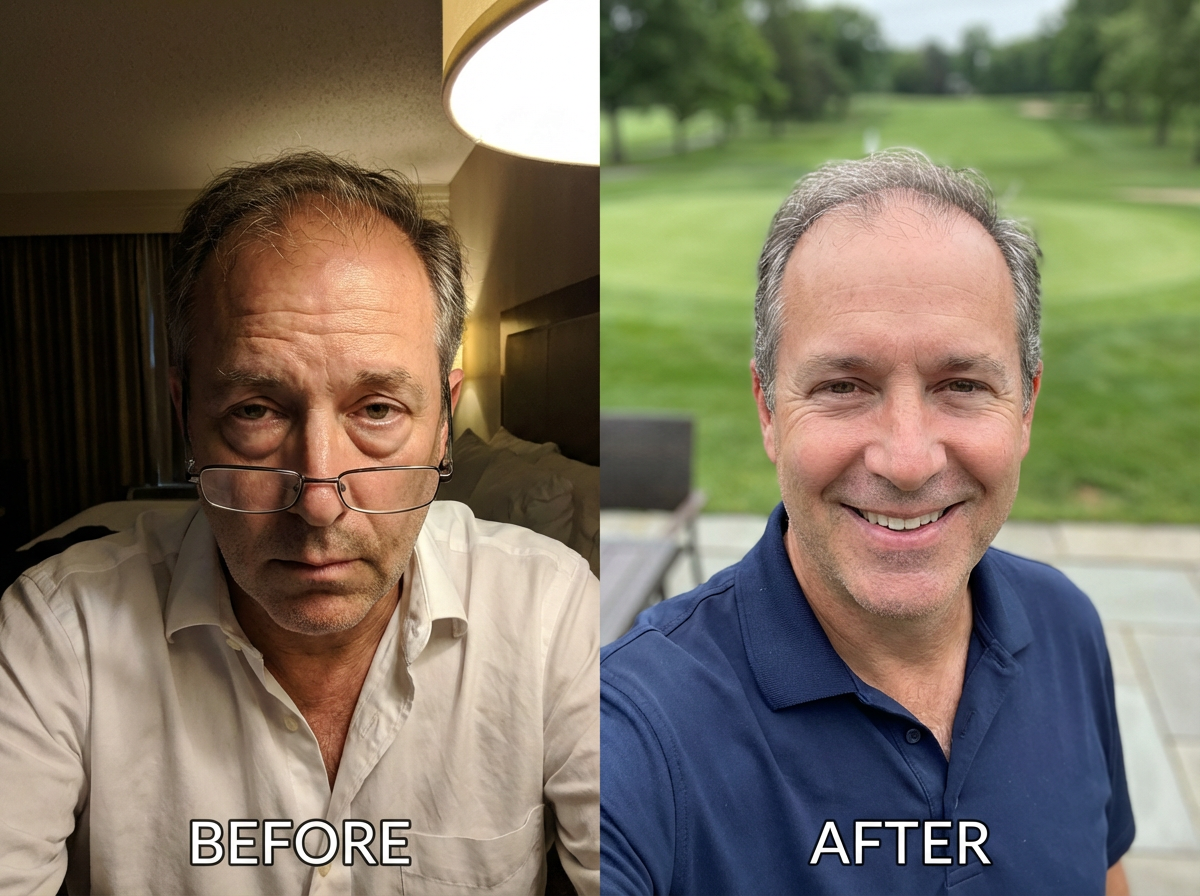
Today, it's happening in bathrooms across America — and the transformation of 53-year-old Robert Callahan from Pennsylvania just 20 MINUTES after applying AgeBack Microneedle Eye Patches has aesthetic clinics SCRAMBLING to protect their practices.
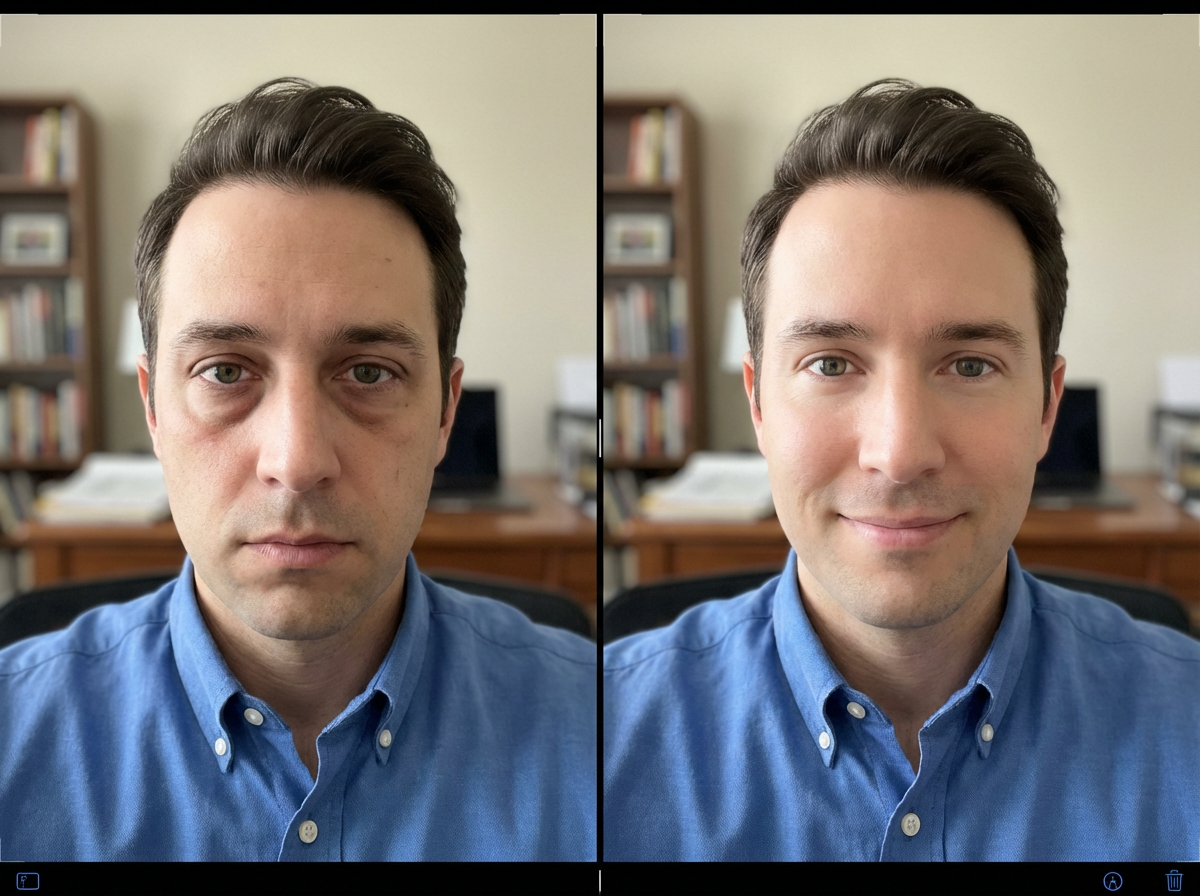
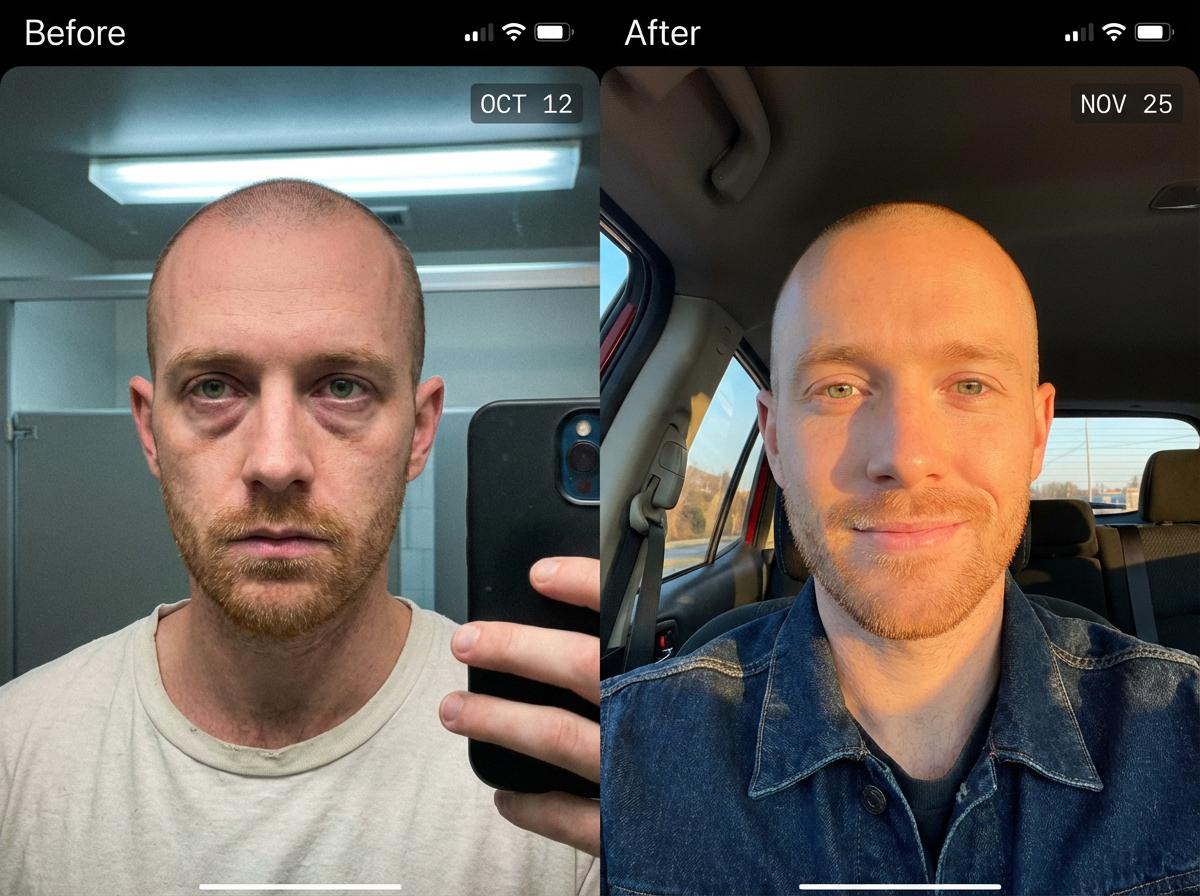
Robert's results were so dramatic that he tested it on ONE EYE and left the other untreated — and the difference was visible from across a room. That single before-and-after image triggered an emergency response from dermatology industry groups, who are now pressuring regulators to "immediately investigate and restrict" this transdermal system that delivers results comparable to $1,200-$4,500 clinical procedures — for less than a dinner for two.
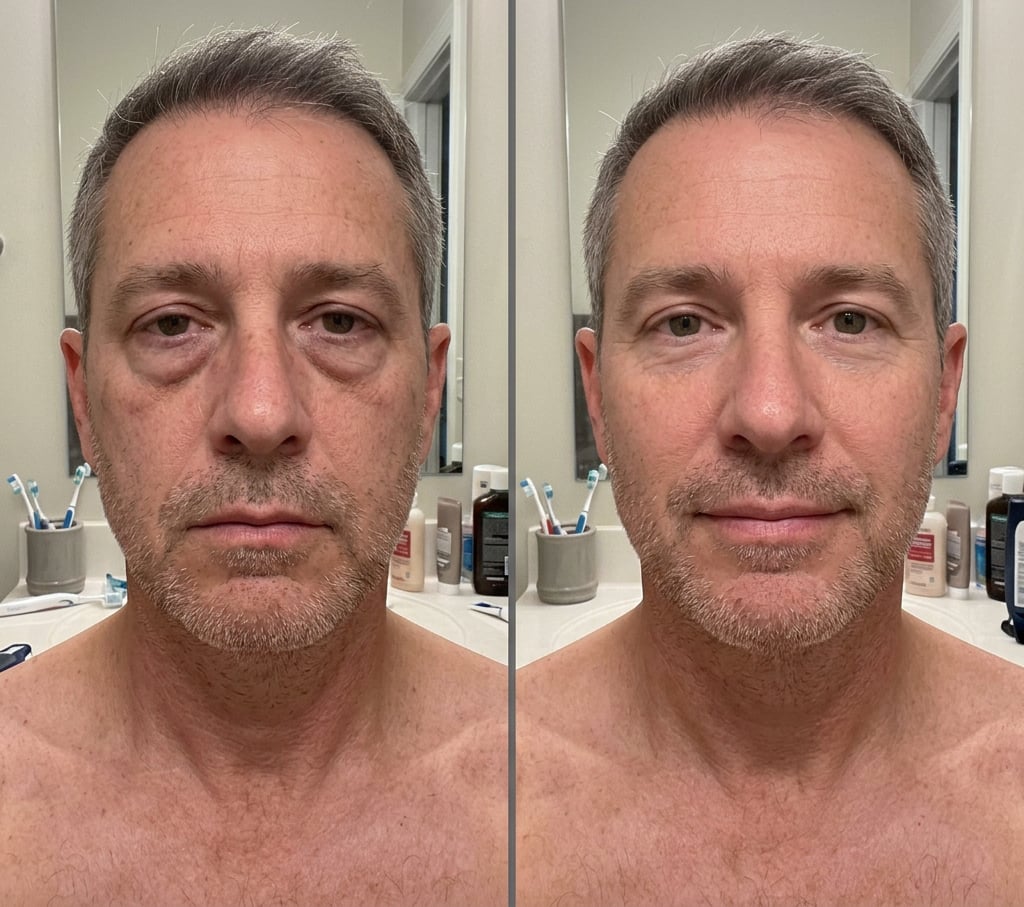
The numbers:
AgeBack costs $38 for a 4-week supply.
If a transdermal microneedle patch goes mainstream, aesthetic clinics don't lose a product line. They lose their highest-margin revenue stream overnight.
That's why you won't find a single dermatologist recommending at-home alternatives. They're not concerned about safety. They're concerned about their bottom line..
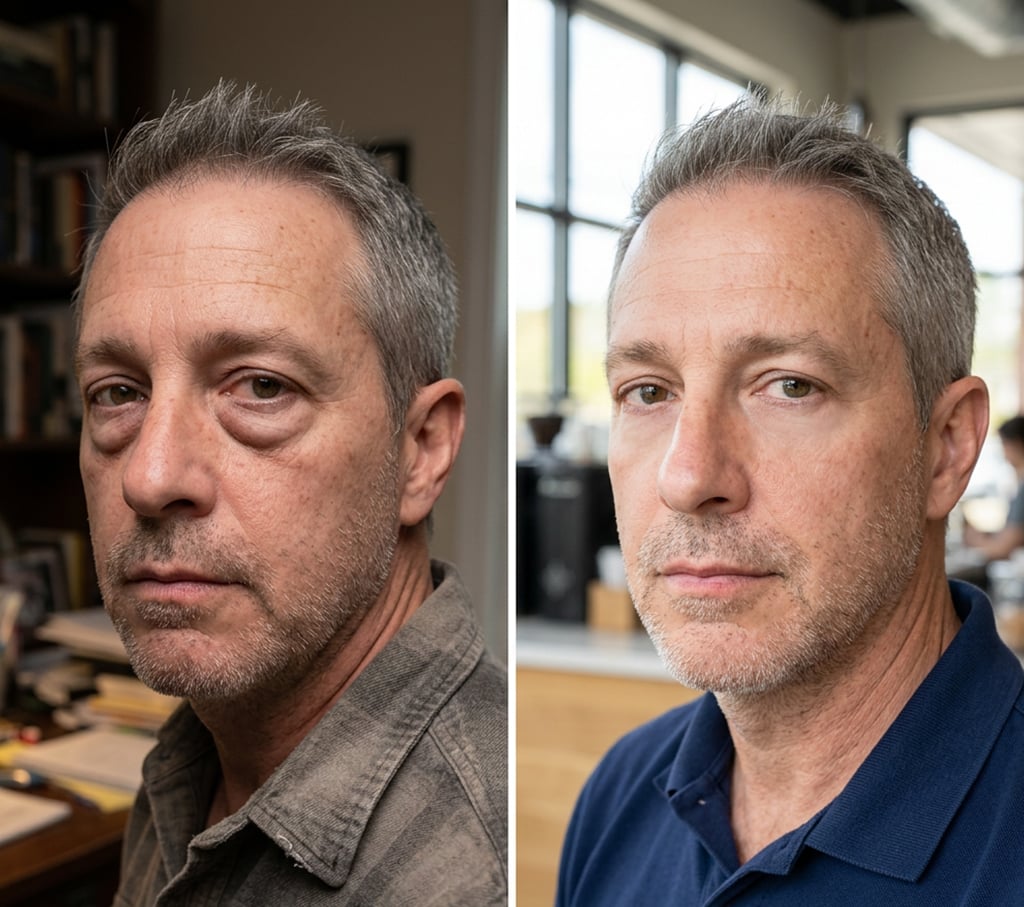
Robert's story will stop you cold...
"I never expected to be telling this story publicly, but what happened to me was too significant to keep quiet.
Six months ago, I experienced what I can only describe as the worst professional moment of my career — at a company leadership conference.
A colleague had taken a candid photo during a panel discussion I was moderating. He posted it to the company group chat that evening. There I was — on a 6-foot projection screen during the recap session — in front of 40 colleagues.
The man in that photo did not look like the man I felt like inside.
The bags under my eyes were grotesque. Heavy, swollen, water-logged pouches that made me look like I hadn't slept in a month. Dark hollows carved underneath. The overhead conference lighting had turned every crease and shadow into a topographic map of exhaustion.
I looked like a man whose best years were behind him. Finished. Defeated. Done.
A junior associate — a kid half my age — leaned over during the session and whispered: 'Robert, are you feeling okay? You look really tired, man.'
I'd slept 8 hours the night before. I felt sharp. I'd prepared for this conference for weeks.
But my face was telling a completely different story to every person in that room.
That night in my hotel room, I stood under the harsh bathroom vanity lights and forced myself to really look. What I saw confirmed my worst fear.
The heavy bags that had been slowly building for years had crossed a threshold. The swelling was structural now — thick, fluid-filled pouches that gravity was pulling further down every month. Combined with deep dark circles and crow's feet that seemed to have appeared overnight, I looked a full decade older than my 53 years.
And a room full of colleagues had just seen the same thing.
For weeks after the conference, I couldn't stop thinking about it. The way people's eyes would flicker to mine and then look away during Zoom calls. The way I'd started angling my camera upward to hide the damage. The way rooms were responding to my face before they heard a single word I said.
I consulted TWO dermatologists. Both recommended the same thing: under-eye filler injections at $1,200 per session, every 6-9 months — or blepharoplasty surgery at $4,500, with a scalpel near my eyes and 3 weeks of recovery.
As a man who has spent his career being taken seriously in rooms that matter, the idea of explaining surgical bruising to my colleagues was unacceptable. And $2,400 a year for temporary fillers that dissolve and leave you back at zero felt like a shakedown.
I was stuck — until an old college friend who works in medical device engineering called me with something that changed everything."
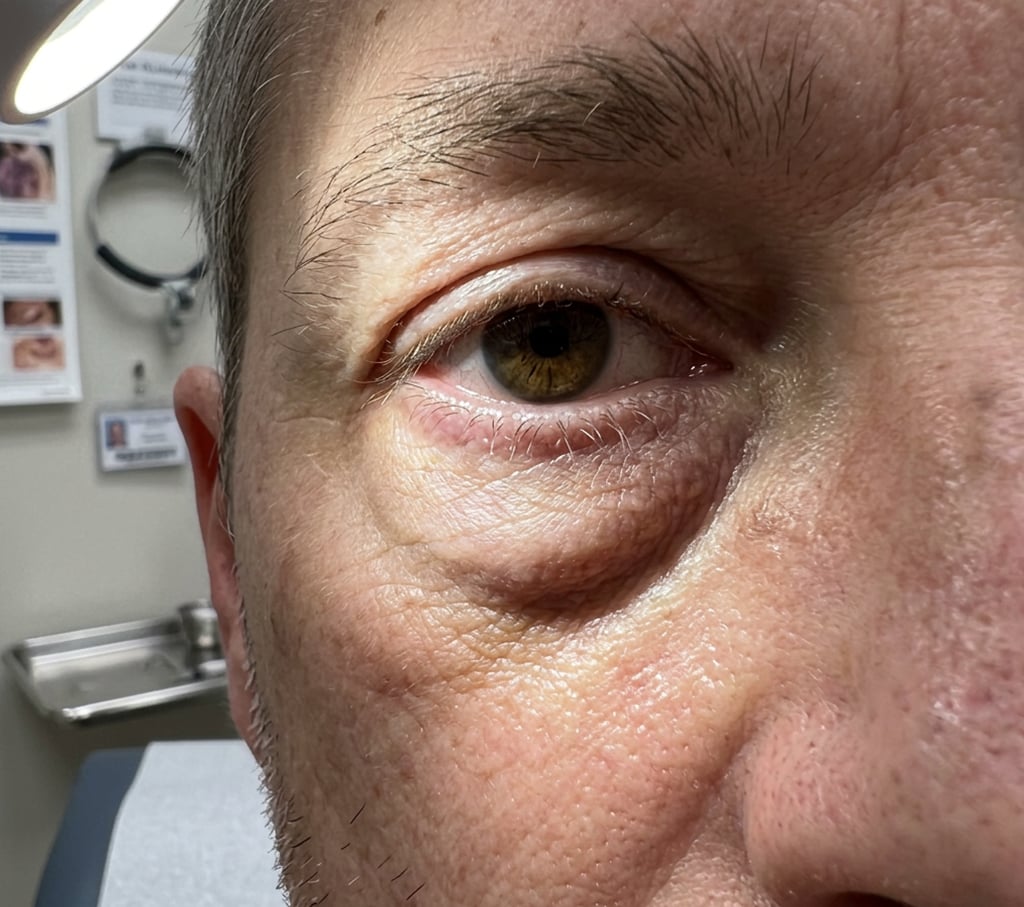
"My friend Dan isn't a skincare guy. He's a mechanical engineer who spent 12 years designing transdermal drug delivery systems for pharmaceutical companies. He builds things that push active compounds through human tissue.
When I told him about my eye bags and the $1,200 filler quotes, he actually laughed.
'Robert, stop. Let me explain what's actually happening to your face. Because your dermatologist sure as hell won't.'
He laid it out like he was explaining a mechanical failure:
'Those bags aren't "tired skin." They're structural collapse. You've got herniated fat pads surrounded by trapped lymphatic fluid. The drainage system under your eyes has slowed down. Fluid is pooling in the gaps where collagen used to hold everything tight. Every month, gravity pulls it lower. It's a plumbing problem, not a moisture problem.'
I asked him about creams. The $150 ones. The caffeine rollers. The beef tallow balms every guy on Instagram is pushing.
He looked at me like I'd asked if I could fix a burst pipe with house paint.
'Let me ask you something. You've been rubbing cream on this for how long? Years? And has a single bag ever deflated? Has the swelling ever actually gone down?'
It hadn't. Not once.
'Here's why. Your skin is a fortress. Male skin is 20-25% thicker than a woman's. Testosterone fortifies the barrier. Every cream you've ever used — every serum, every roller, every $90 jar of La Mer — has been sitting on the surface of a concrete wall. The active ingredients never reached 0.3mm deep, where the fluid and damage actually live. Not even close.'
Then he said something I'll never forget:
'You're not going to fix a mechanical failure with a lotion. You fix it with a tool. Don't grease the bag. Drain it.'"
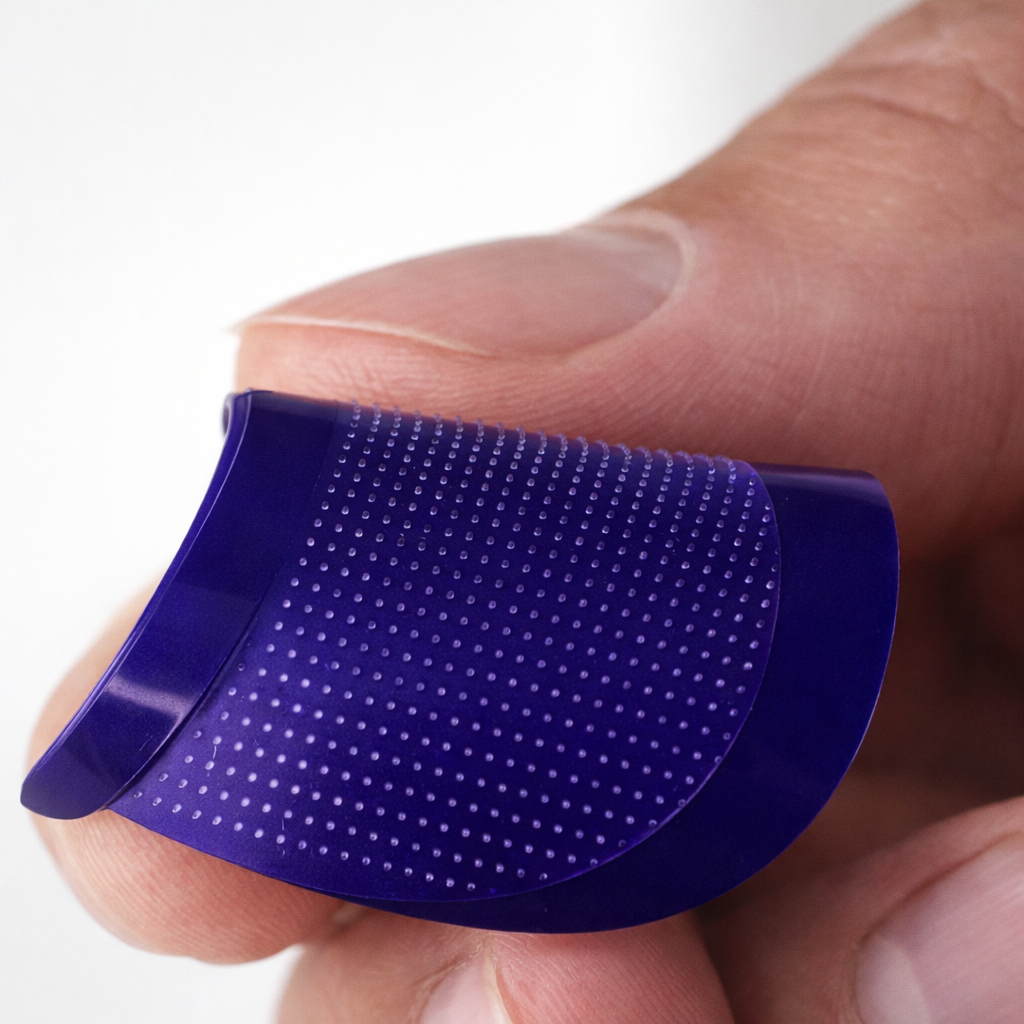
"Dan handed me a box of AgeBack Dissolving Microneedle Patches. He'd been tracking this transdermal technology since the clinical trials. '1,500 dissolving microneedles,' he said. 'They penetrate to exactly 0.3mm. That's the drainage system, the blood vessels, the collagen network. The needles dissolve over 2-8 hours and release 600-Dalton peptides and 39% high-purity hyaluronic acid directly into the tissue. This isn't topical. This is transdermal delivery. The same technology they use to push drugs through skin in pharmaceutical applications.'
I was deeply skeptical. After years of wasting money on products that promised to "depuff" and "brighten" and delivered absolutely nothing, I had zero expectations.
But that night, I did something Dan suggested — a controlled test.
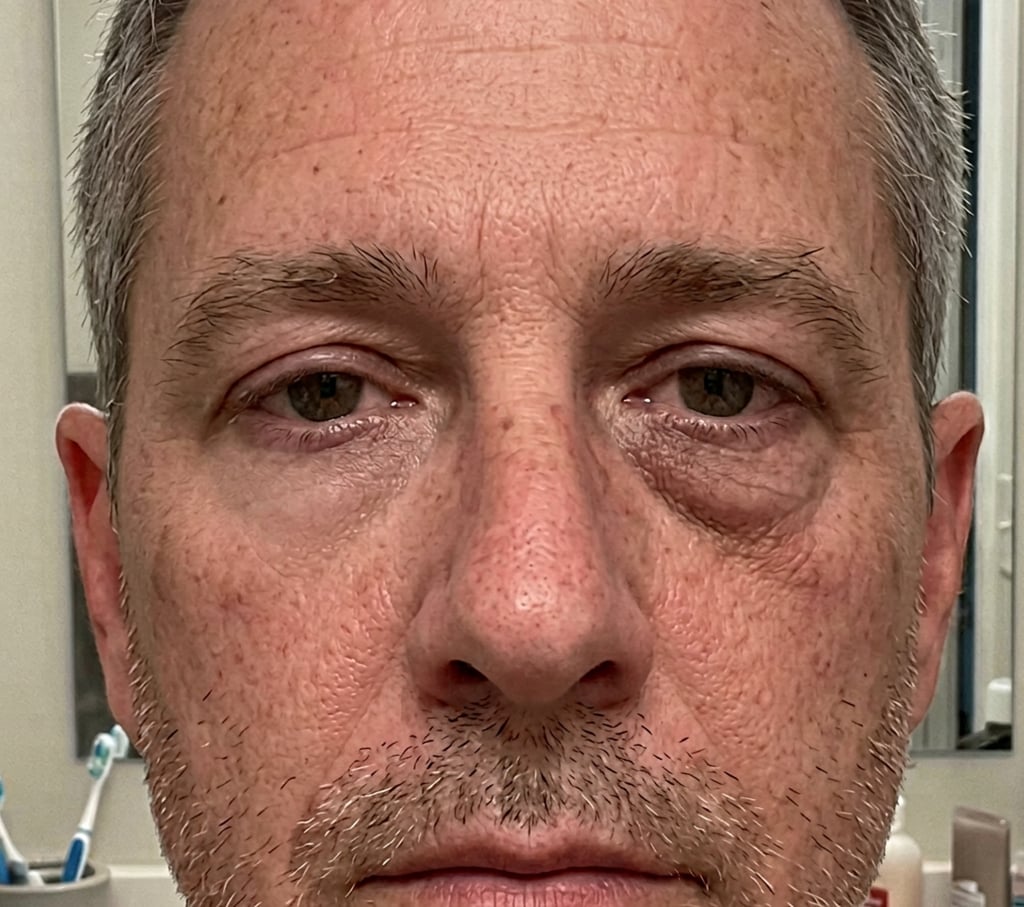
I applied AgeBack to my LEFT eye only. I left the right eye completely untreated.
I pressed the patch on. Felt a brief prickle — like dozens of tiny pins pressing into the skin. That's 1,500 crystallized needles puncturing the dead outer layer and dissolving into the dermal tissue beneath. It was uncomfortable for about 30 seconds. Then nothing. I went to sleep.
What I saw the next morning changed my understanding of what was possible."
Title
"I STOOD IN FRONT OF THE MIRROR AND ONE EYE LOOKED 10 YEARS YOUNGER THAN THE OTHER"
"I peeled the patch off my left eye and immediately saw it.
The bag was DEFLATED.
Not slightly. Not "maybe." The heavy, water-logged pouch that had been hanging there for years was visibly, structurally flatter. The skin was tighter. The color was lighter and healthier.
Then I looked at my right eye — the untreated one.
It looked like a luggage set. Swollen. Heavy. Dark. Exactly the same face that had stared back at me in that hotel bathroom after the conference.
The contrast was so stark it was almost disturbing. One eye looked 43. The other looked 58.
I pressed my fingers beneath the treated eye. The skin that had felt thick and bloated for years felt DIFFERENT. Tighter. Drained. Like someone had taken a vacuum sealer to the tissue.
This wasn't hydration. This wasn't "brightening." This was structural repair.
I ordered 6 more boxes that morning before I'd finished my coffee."
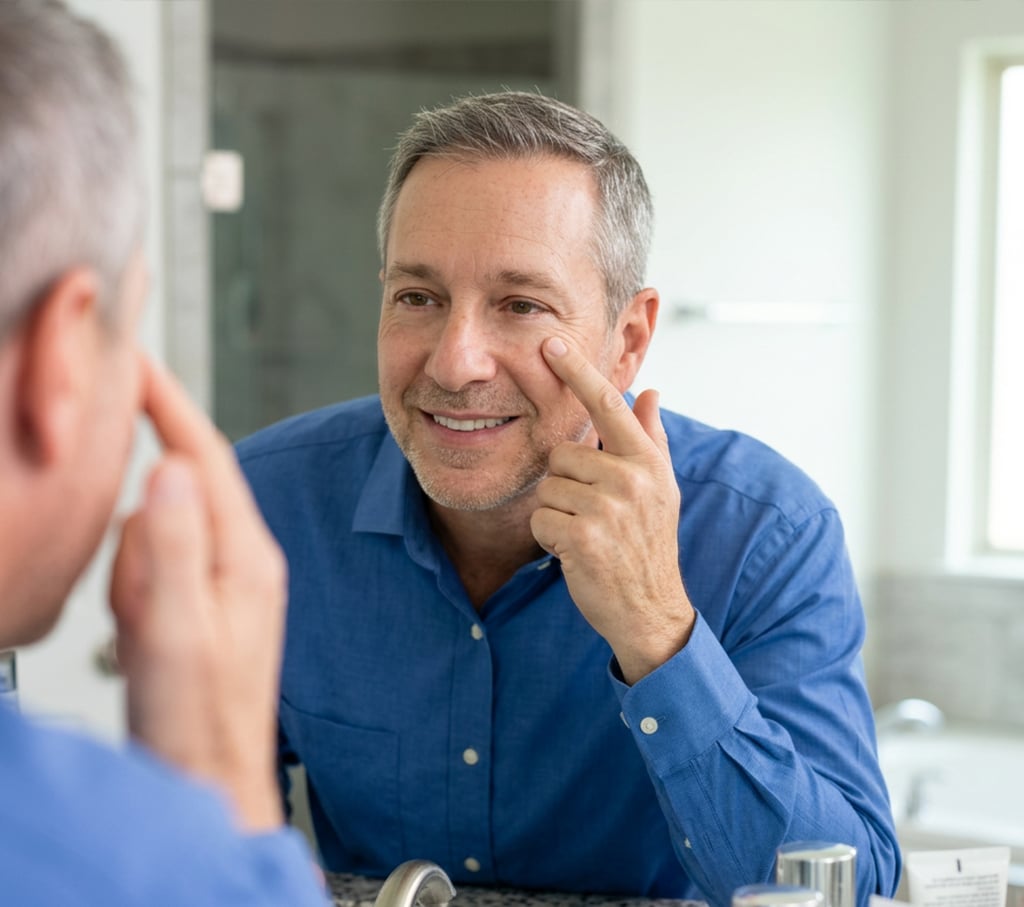
"I used Ageback 2-3 times per week, as Dan recommended.
By day 10, both eyes matched. The bags had deflated from heavy, permanent-looking pouches to flat, firm skin. The dark circles that had aged me so dramatically were fading — from deep purple-brown to barely visible.
By week 3, the transformation was undeniable.
The swollen bags? Completely gone. Not reduced. GONE. Flat. Tight. Structurally repaired.
The dark circles? Lightened by 80%. The deep hollows that made me look sick were replaced with healthy color.
The crow's feet that had been deepening every year? Softened dramatically.
My entire under-eye area looked tighter, firmer, and healthier than it had in over a decade.
I knew the change was real when I walked into a Monday morning leadership meeting and my VP stopped mid-sentence.
'Robert — did you just get back from somewhere? You look... rested. Really good, actually.'
Three other people said something similar that week. Not one of them knew about the patches.
A week later, my assistant — who sees my face every day — finally pulled me aside: 'Okay, what are you doing differently? Your eyes look completely different. Did you get work done?'
When I told her it was a cheap patch I applied at night, she ordered a box for her husband before lunch.
*The junior associate who'd whispered "are you feeling okay?" at the conference? He didn't say a word. He didn't need to. The man he was looking at didn't need anyone's concern anymore.
Two months later, I moderated another panel at the same annual conference. This time, when the candid photos hit the group chat, I didn't flinch. The man in those photos looked alert, rested, and ten years younger than the ghost who'd been projected on that screen six months earlier.
Same stage. Same lights. Completely different man."
Here's what the skincare industry doesn't want you to understand:
Your skin was engineered to keep foreign molecules OUT.
Male skin is 20-25% thicker than a woman's. Testosterone and androgens fortify the outer barrier — the stratum corneum — into a dense, layered wall. Its biological purpose is to prevent anything from getting through.
Which means every cream, serum, roller, and balm you've ever pressed under your eyes was fighting a war it was designed to lose.
There's a principle in dermatology called the 500-Dalton Rule: molecules larger than 500 Daltons cannot passively penetrate the skin barrier.
Most active ingredients in eye creams are technically UNDER 500 Da:
So why don't they work?
Because being small enough to theoretically penetrate the barrier is NOT the same as reaching effective concentrations at 0.3mm depth. On male skin — 20-25% thicker, testosterone-fortified — these molecules degrade, dissipate, and dilute long before they reach the fluid layer, blood vessels, and collagen network where eye bags actually form.
They hydrate the surface. They never reach the problem.
And here's what should make you angry: The dermatology industry has known this for years. They've published the studies. They understand that topical application on male skin cannot deliver effective doses at depth. And yet they continue to recommend $80-$200 creams as a "first step" — knowing the first step leads nowhere — before steering you toward $1,200 fillers.
The creams aren't a treatment. They're a $500/year waiting room for the $2,400/year procedure.
It's like pouring water on a sealed concrete wall. Some moisture touches the surface. None of it reaches the foundation where the cracks are.
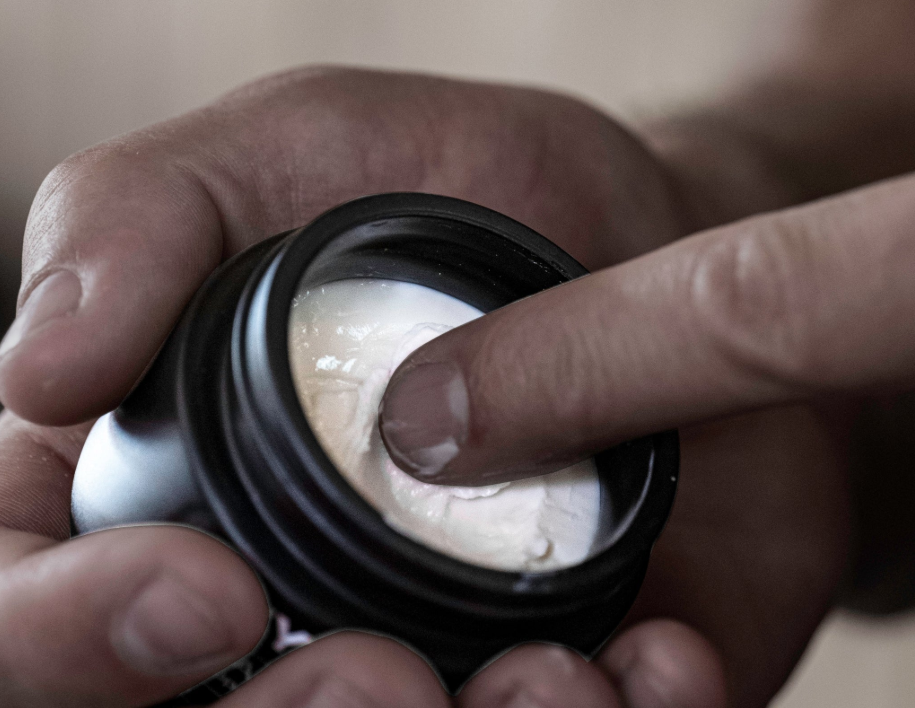
You've seen the trend. "Ancestral skincare." Beef tallow balms marketed as the "natural" solution men have been missing.
Here's the engineering reality:
Tallow is an occlusive. It seals moisture into the skin's surface. Full stop.
Eye bags are NOT a moisture problem. They are a fluid retention, lymphatic drainage, and structural collapse problem. Sealing moisture into a swollen, water-logged pouch doesn't deflate it. It locks the damage in and puts a greasy layer on top. Beef tallow balms are expensive Vaseline with a story attached. Zero structural repair. Zero penetration. Zero drainage.
Eye bags are NOT a moisture problem. They are a fluid retention, lymphatic drainage, and structural collapse problem.
Sealing moisture into a swollen, water-logged pouch doesn't deflate it. It locks the damage in and puts a greasy layer on top.
Beef tallow balms are expensive Vaseline with a story attached. Zero structural repair. Zero penetration. Zero drainage.
Think of it like this:
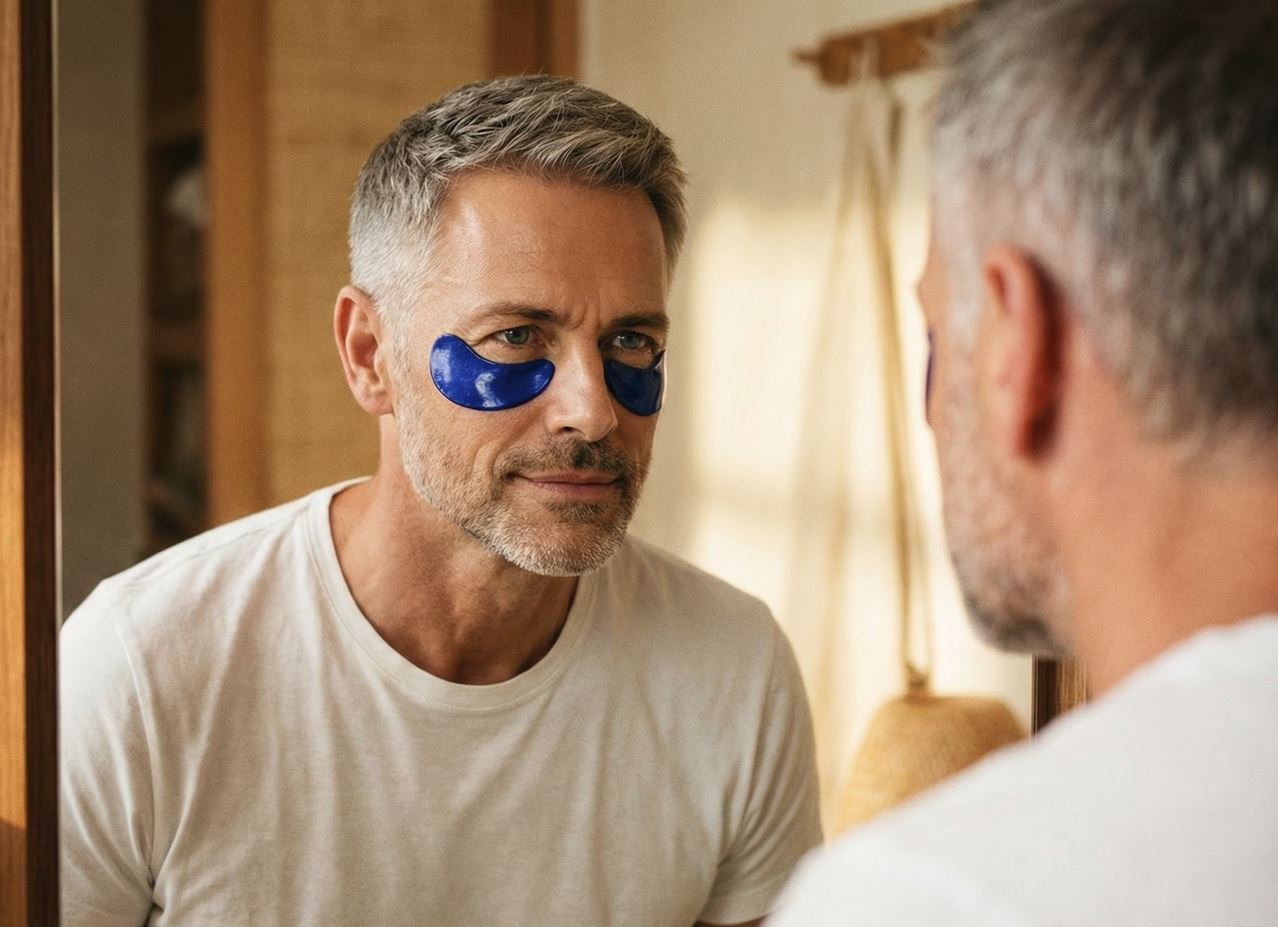
AgeBack uses 1,500 dissolving microneedles that penetrate to exactly 0.3mm—the precise depth of your:
The needles dissolve over 1-8 hours, releasing 600-Dalton peptides and low-molecular-weight actives directly into the tissue—small enough to work, but only if delivered transdermally.

Eye bags aren't fat. They're fluid retention caused by poor lymphatic drainage. AgeBack microneedles stimulate circulation at 0.3mm depth, physically draining the fluid buildup that creates those heavy, swollen pouches.
Result: Visible deflation in 20 minutes. Immediate, measurable proof the system is working.